
Most bollards get ignored right up until the day a vehicle heads for a shopfront. That’s when a choice made years earlier starts to matter, and it’s why the types of bollards on offer deserve more than a quick scroll through a catalogue. The right pick usually comes down to one question: what is this bollard actually there to do?
Some bollards need to be immovable. Others should give way, lift out for a delivery or simply keep a lane tidy.
Key Takeaways
- The main types of bollards are in-ground, permanent, surface mount, removable, retractable, automatic, flexible plastic, parking, non-conductive, stainless steel and decorative.
- Pick the bollard by its job first: stopping a vehicle, controlling access or marking out a space.
- In-ground bollards are the usual answer to ram raids, and surface mount bollards suit slabs and car parks where you can’t dig.
- Removable, retractable and automatic bollards let vehicles through when you need them to.
- Flexible plastic bollards guide traffic but won’t stop a vehicle, so use a rigid option where you need protection.
Types of Bollards for Protection: Fixed and Immovable
When the job is stopping a vehicle, you want a bollard that stays put.
In-Ground Bollards: Built to Stop Ram Raids
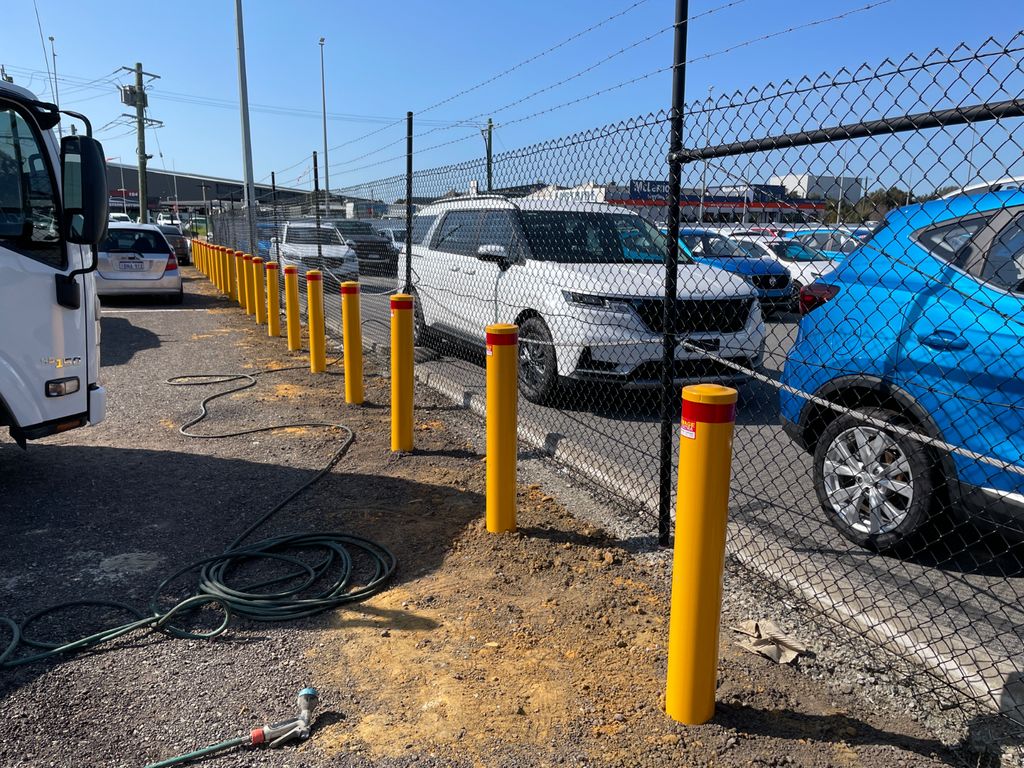
In-ground is where most people start. These posts are embedded up to 600mm below ground and can be filled with concrete for extra strength. That makes them the usual answer to ram raids and the regular knocks that loading bays and building corners take. Image Extra’s in-ground bollards come in a full range of sizes and heights.
Permanent Bollards: Once They’re In, They Stay In
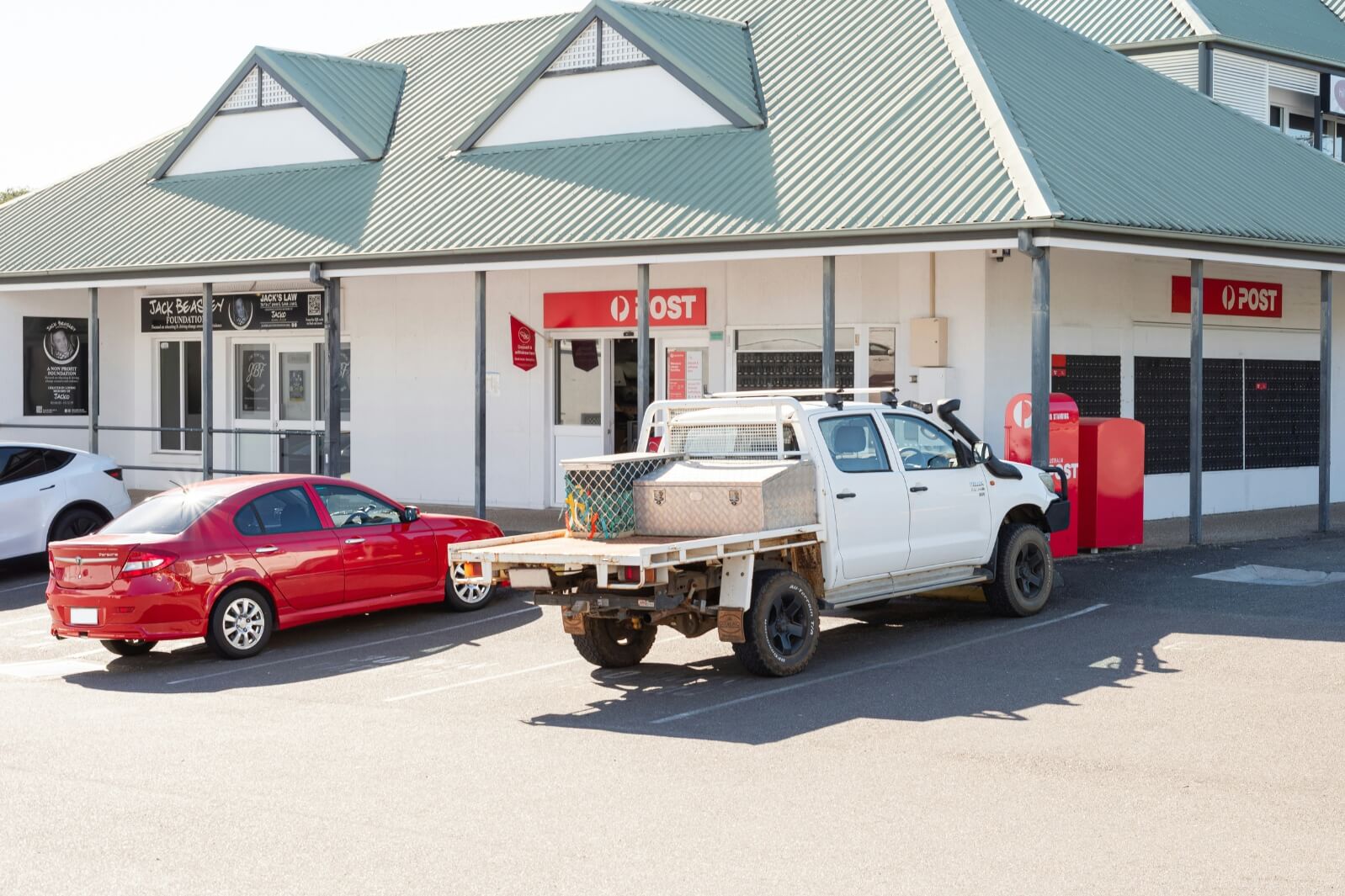
Permanent bollards work on the same principle. They’re fixed for good, so they suit spots where you never want a vehicle to pass, such as the front of a shopfront, around a building corner or beside an entry that should only ever take foot traffic. Browse our permanent bollards if the answer for your site is a post that never moves.
Surface Mount Bollards: When You Can’t Dig
Sometimes the ground has other plans. Underground services, a car park deck or a structural slab can rule out deep excavation. Surface mount bollards are bolted straight onto existing concrete instead, so they work in car parks, warehouses and anywhere with a solid surface.
They go in faster and leave only small bolt holes if you ever move them. Their strength depends on the design and the anchoring, so a sound slab matters.
Types of Bollards for Controlling Access
If vehicles need to get through some of the time, you’ve got three routes.
Removable Bollards: Lift Out When You Need the Space
Removable bollards sit in a ground socket and lift out when you need the space. They come with a padlock or key lock and suit driveways, gates, laneways and roller doors.
Retractable Bollards: Lower Into the Ground
Retractable bollards lower into the ground with a key and lock themselves when raised. Our Dugite range is manufactured by us and built to ram-raid quality. Plan on servicing them at least once a year. Not sure whether removable or retractable is the better fit? Our comparison of removable vs retractable bollards goes through the trade-offs.
Automatic Bollards: Access at the Press of a Button
Automatic bollards raise and lower at the press of a button, which makes sense for entries used many times a day, when manual lifting becomes a chore. They also let you control who comes and goes without anyone leaving their vehicle.

Specialist Types of Bollards
A few bollards exist for narrower jobs.
Flexible Plastic Bollards: Built to Take a Hit
Not every bollard should behave like a wall. Flexible plastic bollards mark lanes and boundaries in busy areas. They’re highly visible, they can be driven over, and they have what’s called vertical memory, which means they spring back upright after a knock instead of staying flattened.
That makes them excellent for delineation, but they won’t stop a vehicle reaching whatever sits behind them. For protection, choose one of the rigid options above.
Parking Bollards: Control Where Vehicles Go
Parking bollards control where vehicles can park or drive. They can be fixed, retractable or removable, and turn up in car parks, along footpaths and near buildings. For a closer look at matching one to your space, read our guide to selecting the right parking bollards for your needs.
Non-Conductive Bollards: Safe Around Electrical Equipment
Non-conductive bollards don’t carry electricity, so they’re the safer choice near substations, transformers or underground wiring.
Stainless Steel Bollards: Looks and Strength
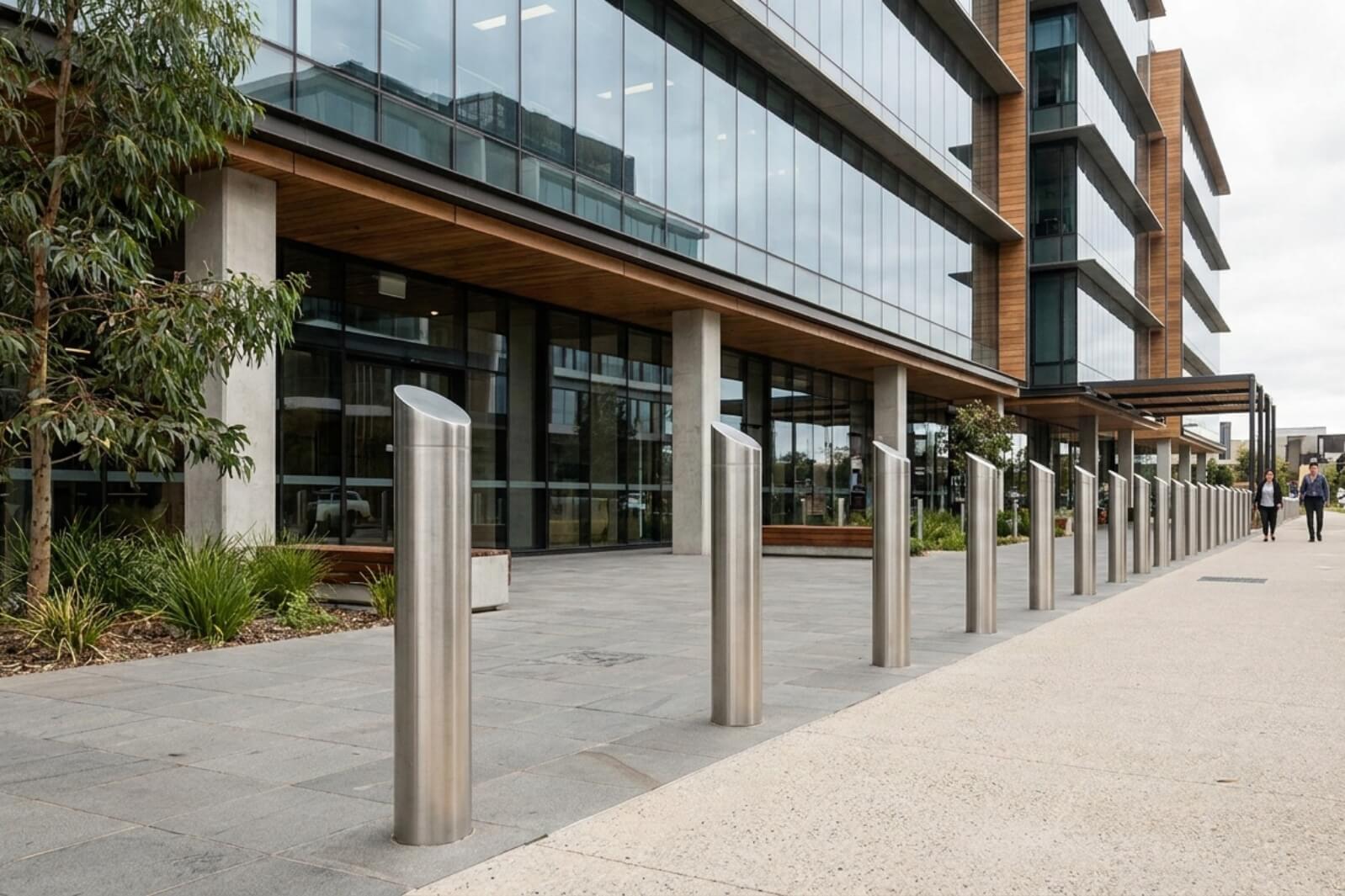
Stainless steel bollards are made from 316 marine-grade stainless steel. They’re offered in permanent, lift assist, retractable and removable forms, and suit places like shopping centres and hotels where looks count as much as strength.
Decorative and Round Concrete Bollards: Style Without Losing Strength
Decorative bollards secure an area while complementing a building’s design and landscaping. Round concrete bollards are one option. These cylindrical posts control pedestrian traffic and promote safety, and they come in several colours. Some designs can double as a bench or stool. Stainless steel and surface mount bollards also work as decorative choices.
How to Choose Between the Types of Bollards
It helps to treat bollards as part of a wider plan rather than a one-off purchase. Safe Work Australia’s workplace traffic management guidance says most vehicle incidents at workplaces involve pedestrians and vehicles that are reversing, loading or unloading. It lists physical barriers such as bollards among the ways to keep the two apart. If your site has delivery bays or busy walkways, start there.
Which Bollard Do You Need?
| If you need to… | Look at… |
| Stop ram raids at a building | In-ground bollards |
| Protect an area where you can’t dig | Surface mount bollards |
| Let vehicles through occasionally | Removable or retractable bollards |
| Open and close access many times a day | Automatic bollards |
| Mark a lane without damaging vehicles | Flexible plastic bollards |
| Keep vehicles away from electrical equipment | Non-conductive bollards |
| Give an entrance a cleaner look | Stainless steel or decorative bollards |
Bollard Installation and Servicing
Choosing the bollard is only half the job. Our in-house installation team looks after the install, and every job is backed by a one-year warranty. A specialist service team handles maintenance afterwards, which matters most for retractable models. You can read more about our bollard installation service, or dig into the bigger picture in our guide to vehicular traffic management.
Tell us what you’re protecting, and we’ll tell you which type fits and what we’d need from you to quote. Contact Image Extra or call 1300 366 999.
Bollard FAQs
What are the main types of bollards?
The main types of bollards are in-ground, permanent, surface mount, removable, retractable, automatic, flexible plastic, parking, non-conductive, stainless steel and decorative. They fall into three groups: fixed protection, access control and specialist jobs.
Which bollard stops a ram raid?
In-ground bollards are the usual answer. They’re embedded up to 600mm below ground and can be filled with concrete for extra strength. Where you need access as well, our Dugite retractable range is built to ram-raid quality.
Can you install bollards without digging?
Yes. Surface mount bollards are bolted onto existing concrete, so they suit car parks, warehouses and slabs where underground services or a structural deck rule out excavation. A sound slab matters, because strength depends on the design and the anchoring.
What is the difference between removable and retractable bollards?
Removable bollards lift out of a ground socket and are stored when not in use. Retractable bollards lower into the ground with a key and lock themselves when raised, so there’s nothing to store. Retractable models should be serviced at least once a year.
How deep do in-ground bollards need to go?
In-ground bollards can be embedded up to 600mm below ground and filled with concrete for extra strength. The right depth depends on the bollard and what it needs to withstand, so check it against your site before you dig.
How much do bollards cost to install in Perth?
It depends on the type, how many you need and the ground they’re going into. Tell us what you’re protecting and we’ll quote the bollards and installation.